What Bandung Knows
On a city, a craft, and the shoes the world is only beginning to find
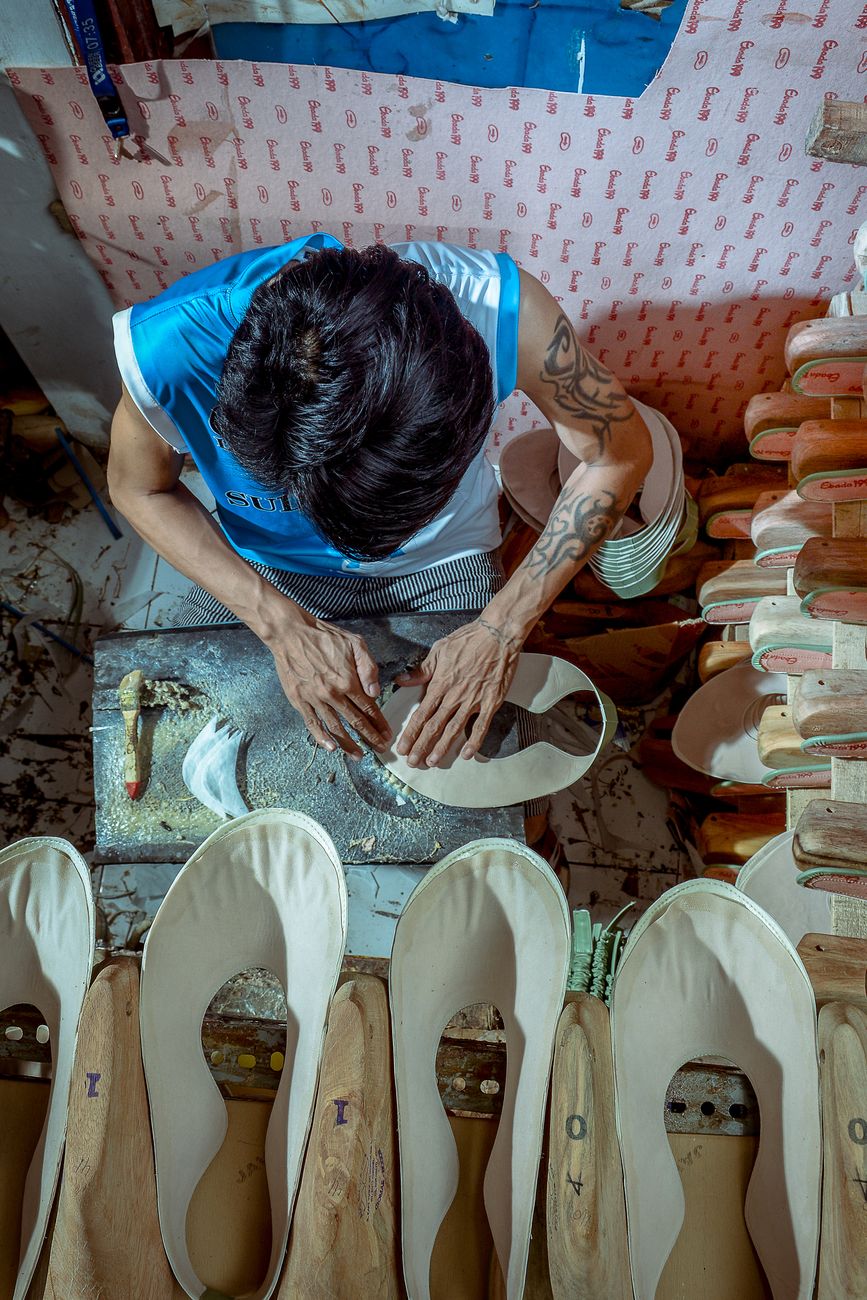
In a workshop in Bandung, sometime after midnight, a young man is making a shoe.
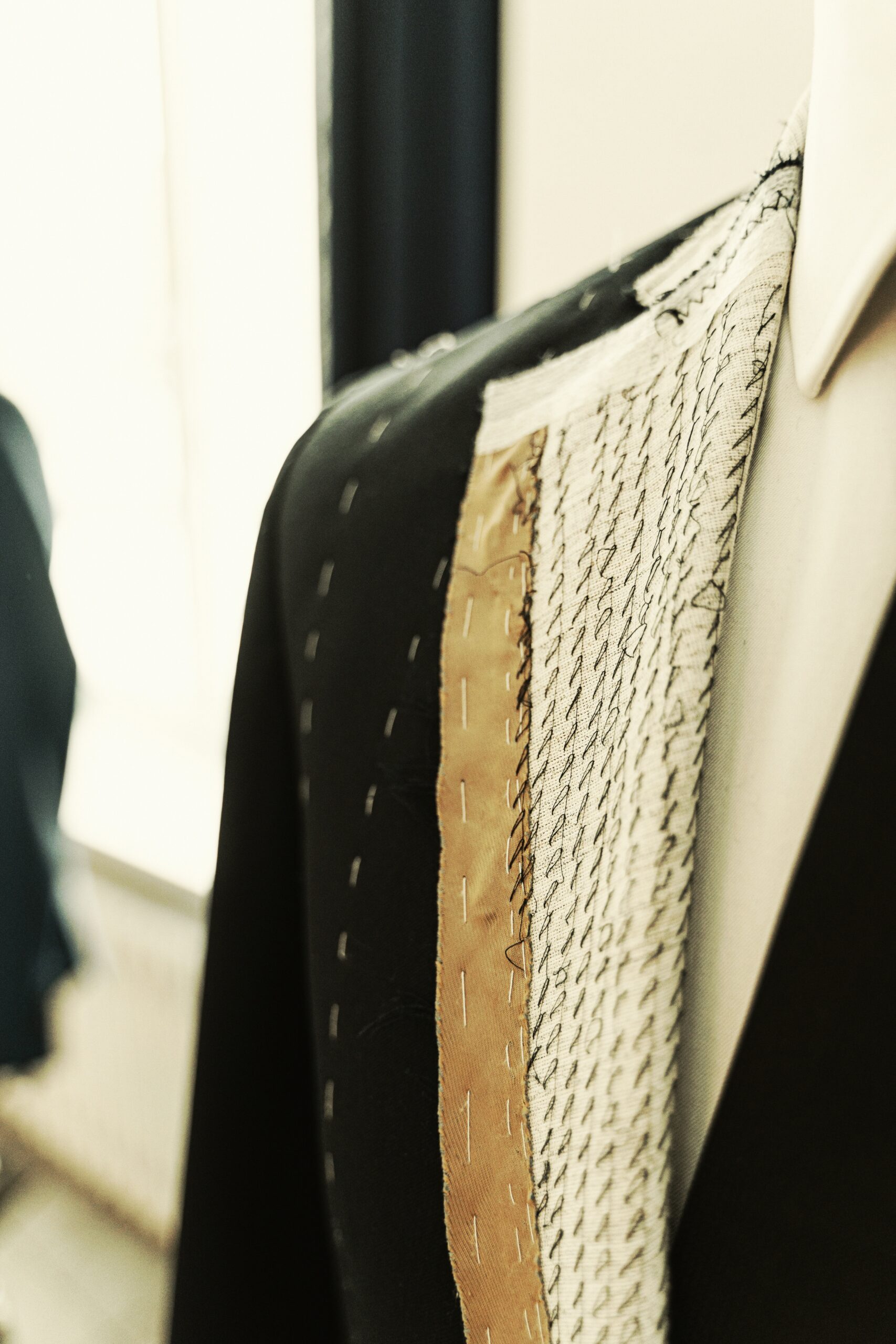
Not assembling one. Making one. The last was carved months ago — adjusted, refined, adjusted again until the shape was right. The upper was cut by hand from a single piece of leather, the pattern drafted on paper before it touched the hide. The welt is being stitched by hand now, one pass at a time, the thread waxed and pulled through with a motion that looks unhurried because it has been done enough times to become unhurried. The sole will go on tomorrow. The finishing — the burnishing, the edge dressing, the final polish — will take another day after that.
The shoe will cost around four hundred dollars. It will be, by any honest measure, as good as anything made in England or Italy at twice the price. The person who ordered it lives in Vancouver. They found the maker on Instagram. They have never been to Bandung. They may not be entirely sure where Bandung is.
Bandung has been making shoes for a long time. The Dutch colonial presence left behind not just infrastructure and language but a particular relationship with leather and craft — workshops established to supply the colonial administration, knowledge that accumulated in the hands of Sundanese craftsmen and stayed there long after the administration departed. The city became, over decades, one of the largest footwear manufacturing regions in Asia. Thousands of workers. Dozens of factories. The raw materials — the leather, the rubber soles, the synthetic linings, the glue — available in the market streets of the city, in shops that had been selling the same things to the same kinds of people for generations.
That industry contracted. Some of it moved. Some of it adapted. Some of it simply continued, in the way that things continue when they have nowhere else to go and no particular reason to stop.
What remained, in the workshops and the backstreets and the small operations that survived the various economic pressures of the last thirty years, was knowledge. The knowledge of how to work leather. How to cut a pattern. How to build a last that fits a specific foot rather than an approximation of one. How to stitch a welt by hand in a way that will outlast the leather above it. Knowledge that had passed from person to person, workshop to workshop, generation to generation, largely without documentation and largely without recognition.
The current generation found their way to it differently. Emil Rahmana Putra, the maker behind Winson Shoemaker, studied informatics engineering in Bandung and started selling cheap leather shoes to pay his rent. He learned shoemaking from the internet — YouTube, blogs, online forums — and from visiting workshops around the city to watch how things were done. He taught himself to make a last. He taught himself hand welting. He taught himself everything, incrementally, through years of making shoes that were not yet good enough and then making better ones.
At this point, his work sits among the upper echelon of Indonesian makers. His signature Chelsea boot is considered one of the best in the world in terms of pattern, last, fit, and finishing — for around four hundred dollars. Which is, as one observer noted, borderline insane.
He is not alone. While major luxury brands have chased automation and mass production, Bandung quietly went the opposite direction. Sagara, founded in 2010, builds entirely by hand-welted construction and takes two to three weeks per pair. Briselblack — formerly Benzein — was started in 2018 by a maker who comes from a generational shoemaking family. Midas, the workwear offshoot of Winson, produces boots that are clean, slender, and precise in a way that takes years to learn and cannot be faked.
All of them are small. All of them are in Bandung or nearby. Most of them take orders through Instagram. None of them are in any shop you have walked past.
There is a particular kind of knowledge that does not announce itself. It accumulates quietly, in workshops and families and cities that have been doing something long enough to have internalized it completely — so completely that it no longer feels like knowledge at all, just the way things are done. The Dutch left Bandung a long time ago. The large factories that once supplied the global footwear industry have largely moved on. What remained was the accumulated understanding of how to make a shoe properly, held by a city that had been doing it for generations without ever being particularly celebrated for it.
The young makers working in Bandung today learned from that inheritance even when they didn’t know they were learning from it. The workshops they visited. The craftsmen they watched. The raw material suppliers who had been selling leather and rubber and thread to people like them for longer than any of them had been alive. The knowledge was there, in the city, available to anyone who showed up and paid attention.
What they added was curiosity. And the internet, which showed them what the best shoes in the world looked like and gave them something to aim at.
The results are being noticed, slowly, by people who know what they are looking at. A boot reviewer in Vancouver. A menswear writer in Stockholm. An enthusiast in Tokyo who has been wearing European shoes for twenty years and finds himself looking at something made in Bandung and not being entirely sure it isn’t better.
The shoes are exceptional. The city that made them has known this for a while.
Marlowe.