The Rarest Shirt You’ve Never Heard Of
A brief introduction to Sea Island cotton — for the curious, the discerning, and anyone who has ever wondered why some shirts feel the way they feel
Let’s start with a number.
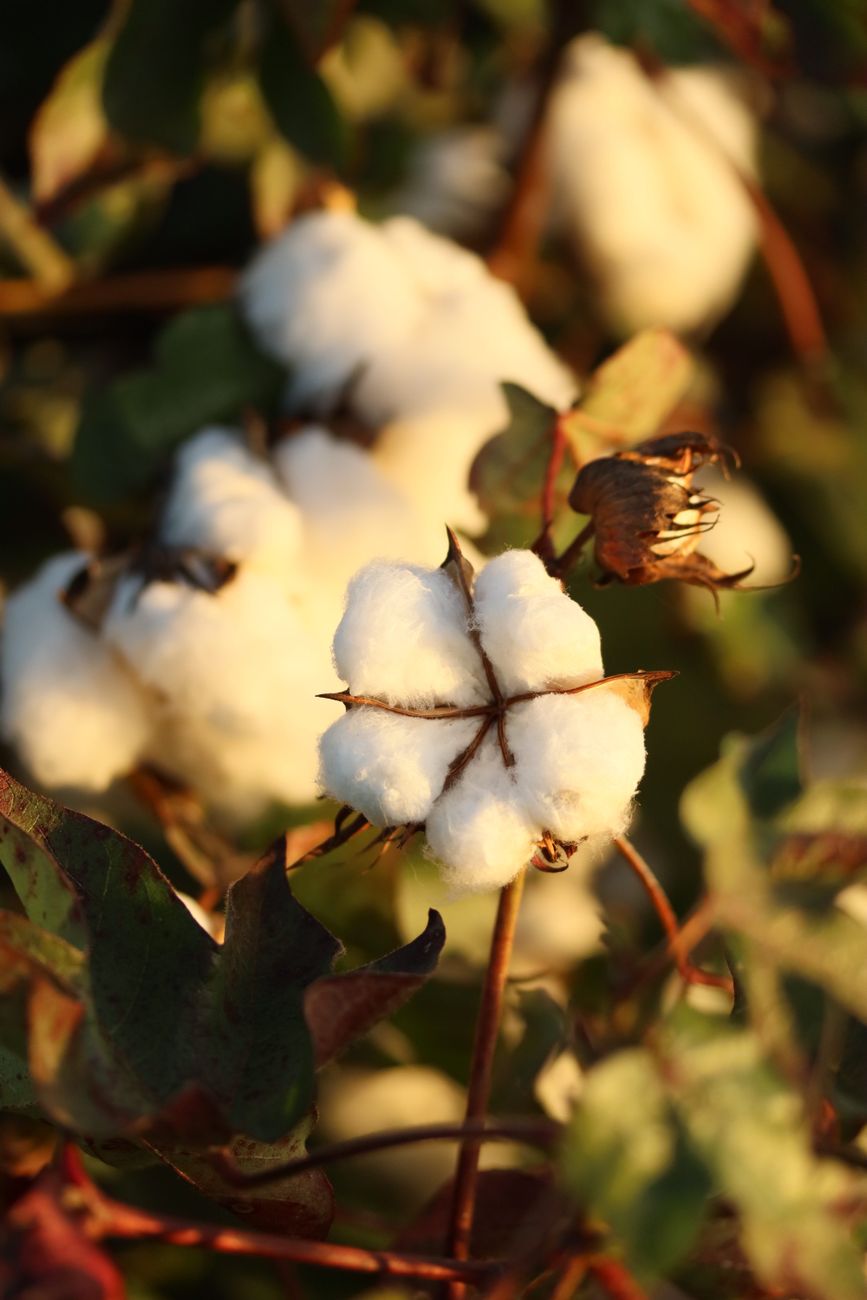
One hundred and thirty bales. That is the entire annual global production of certified West Indian Sea Island Cotton. One hundred and thirty bales, from a handful of farms on the islands of Barbados, Antigua, and Jamaica, hand-picked by people who have been doing this long enough to know exactly which bolls are ready and which ones aren’t. Of those one hundred and thirty bales, seventy come from Barbados — every single one of them going directly to a single mill in Italy called David & John Anderson, which has been spinning the fiber for longer than most countries have had functioning governments.
For context: Egypt produces up to seventy-four thousand bales of extra-long staple cotton per year. Sea Island cotton accounts for four ten-thousandths of one percent of the world’s cotton supply.
You have almost certainly worn cotton. You have almost certainly never worn this.
Here is what makes it different, in plain terms.
Cotton fiber is measured by staple length — the length of the individual fibers that get spun into yarn. Longer fibers produce finer, smoother, stronger yarn. Regular cotton runs somewhere between twenty and twenty-five millimeters. Egyptian Giza, the stuff that goes into shirts marketed as luxurious by brands that know you won’t check, runs around thirty-two to thirty-five millimeters. Sea Island cotton — genuine, certified, West Indian Sea Island cotton — averages thirty-six to thirty-seven millimeters, with the finest examples running longer still.
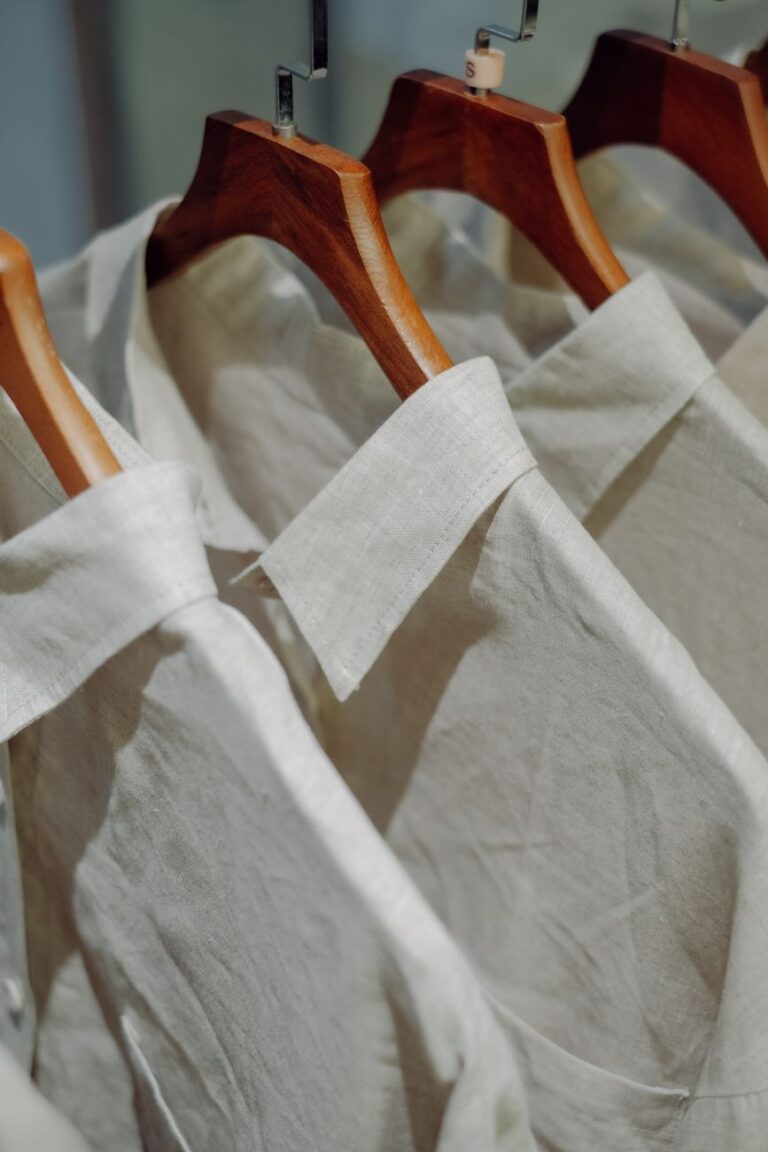
What this means in practice, when you hold the finished fabric, is that it feels like nothing else. Not softer in the way that cashmere is soft — that slightly pillowed, slightly imprecise softness that feels wonderful but doesn’t quite hold its shape. Softer in a different sense. More like skin than fabric. A smoothness that doesn’t diminish with washing. A luster that is not sheen — not the artificial gloss of a synthetic — but the quiet luminosity of something that was made this way from the beginning.
It also breathes differently. The extra-long fibers allow for a tighter, finer weave that still moves air. In a Sea Island cotton shirt, properly made, you are cooler in summer than you have any right to be given how the fabric looks. This is not marketing. It is fiber physics.
The story, briefly, because it is too good to skip entirely.
Sea Island cotton was introduced to Hilton Head Island in 1790 by a planter named William Elliott, yielding a cotton of unprecedented quality. For over 130 years — from roughly 1790 to the 1920s — American-grown Sea Island cotton dominated the high-end textile market, fetching prices five to six times higher than any other cotton. It was the fiber of choice for the fine lace and muslin industries in England and France.
Then the boll weevil arrived from Mexico and completely eradicated the crop from the United States by the 1920s.
The fiber’s survival is one of those quiet acts of horticultural stubbornness that history rarely celebrates properly. A small number of dedicated growers in the West Indies managed to preserve the precious seeds — carrying them back to the Caribbean islands where the plant originated, where the specific combination of rainfall, humidity, sunshine, and soil produces a fiber that cannot be replicated anywhere else on earth regardless of how hard anyone has tried.
The West Indian Sea Island Cotton Association was established in 1932 to protect the fiber’s purity and regulate its production. Every bale is certified. Every bale is traceable. If a shirt claims to be made from Sea Island cotton and cannot produce that certification, it is not Sea Island cotton. It is something else wearing the name — of which there is a great deal, and none of it is this.
James Bond, for what it’s worth, wore it. Ian Fleming mentions Sea Island cotton shirts in several of the novels — not as a luxury affectation but as a simple statement of preference. The man who knew exactly what he wanted and did not particularly feel the need to explain himself to anyone. Which is, come to think of it, a reasonable posture to take toward most things worth having.
The British aristocracy discovered it early and never really let go. The Royal Family have been customers of Sunspel — one of the few houses that has worked with genuine Sea Island cotton for over a century — for generations. None of this is mentioned to impress you. It is mentioned because the consistency of preference across a hundred and fifty years of people who could afford anything and chose this suggests that something real is happening here, beyond marketing.
The practical question, which is the only question worth asking about any fabric, is what it is like to actually wear it.
The answer is that it is like wearing something that has already been broken in, without the waiting. From the first time you put it on, it moves with you rather than against you. It does not need to be washed twenty times before it relaxes into itself. It is already there — already at the version of itself that most fabrics take years to reach, if they reach it at all.
It gets better with washing. Not worse, the way most things do. The fiber actually becomes more lustrous with time and use, which is the opposite of almost everything else in the modern wardrobe. A Sea Island cotton shirt that has been worn and washed a hundred times is a better shirt than it was new. This is not a small thing. It is, in a world of accelerating disposability, a rather radical one.
One hundred and thirty bales. Seventy from Barbados. All of it hand-picked. All of it certified. All of it going somewhere specific, to someone who knows what to do with it.
The shirt that comes from it — properly cut, properly made — is not a luxury in the sense that word usually implies. It is not about signaling. It is not about the label or the price or what someone across the room might think.
It is about what you feel when you put it on in the morning, before anyone else has an opinion about it. That particular sensation of something fitting exactly as it should, made from something that took three hundred years and a Caribbean island and a near-extinction event to produce.
Which is, when you think about it, not a bad start to a Tuesday.
Marlowe.