Left in the Field
I took the wrong road out of Rouen.
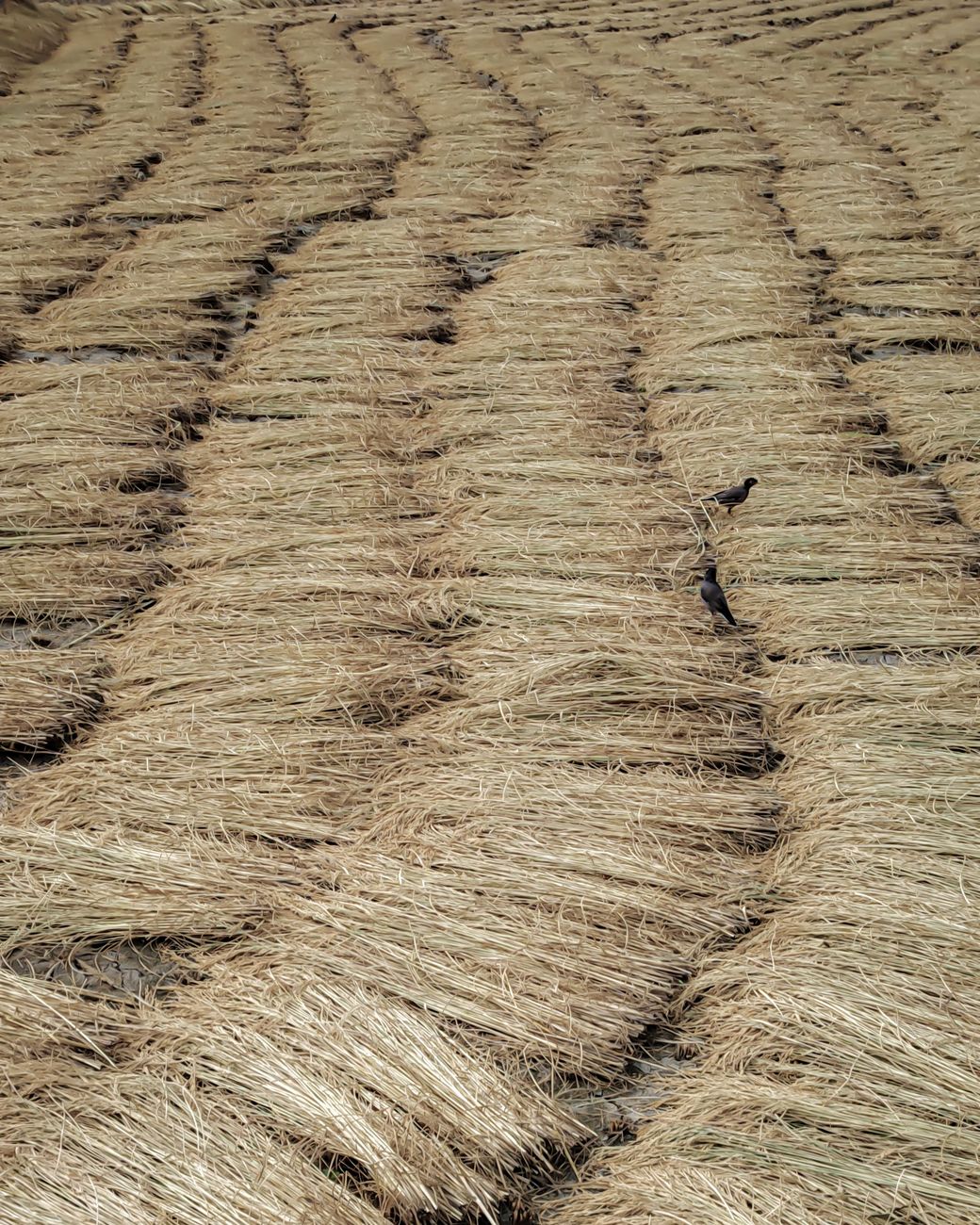
It was late July, and the road was the kind that seems to exist only to connect one church spire to the next. Somewhere past a village whose name I never caught, the fields changed. They had been green, then gold with wheat. Now they were something else. Long rows of what looked like straw lay flat against the earth, combed in one direction, as if a wind had passed through and the field had simply agreed with it.
Not baled. Not gathered. Just left.
I pulled over because it looked like a mistake. Rain at the wrong moment, I assumed, or a broken machine, or a farmer who had run out of time.
Further down the rows, a man was walking. Unhurried. Every so often he stopped, crouched, picked up a few stems and bent them slowly between his fingers. Then he laid them back exactly where they had been and walked on.
He wasn’t abandoning anything. He was waiting for it.
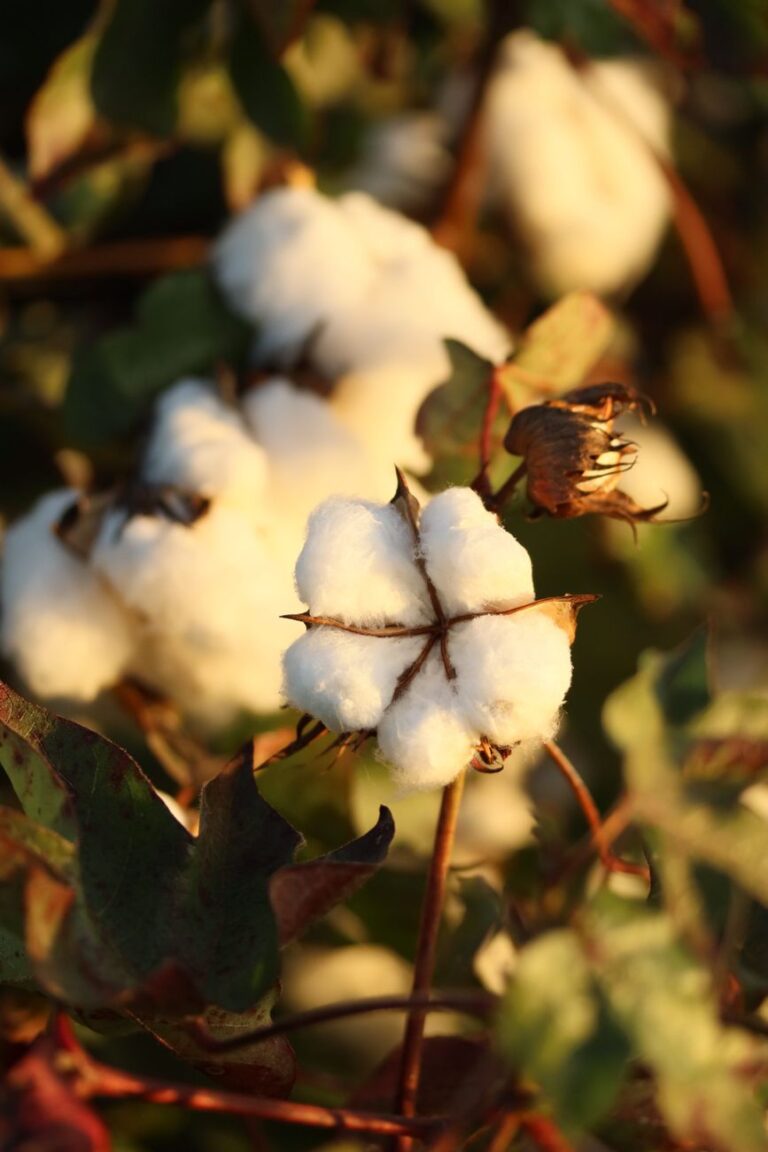
It was flax. I had worn linen for most of my adult life and never once pictured it lying in a field.
What I learned that afternoon, and in the weeks after, is that flax isn’t cut. It is pulled from the ground, root and all, because the fibre runs the full length of the plant, and a blade would waste the part nearest the earth. Then it is laid down in the field where it grew, and the weather takes over.
Dew in the morning. Rain when it comes. Sun in between. In the soil, things too small to see begin dissolving the natural glue that binds fibre to stalk. It takes three weeks, sometimes longer. Halfway through, the rows are turned, so both sides get their share of sky.
No one can schedule this. The farmer can only watch. That was what the man had been doing with the stems: reading them. Too early, and the fibre won’t let go of the straw. Too late, and it weakens. The judgement is made by hand and by eye, field by field. It is the kind of knowledge that gets passed down rather than written.
I had missed the best part by a month.
In June, these same fields flower pale blue. Each flower opens for a single day. The colour moves across a field in a slow ripple over about a week, blue in the morning and faded back to green by evening. People who grow it speak about this the way others speak about weather they remember from childhood.
I still haven’t seen it. That seems right, somehow. Some things you are only meant to hear about.
The flax that ends up in the world’s best linen grows in a narrow band of country running from Normandy up through Belgium into the Netherlands. Nothing about it is dramatic. It’s soft, damp land under Atlantic air, with weather that can’t quite make up its mind. That indecision is exactly what the crop needs: enough rain to ret, enough sun to dry, enough wind to keep things moving. A place that could easily be called unremarkable turns out to be the only place that will do.
I came home and took a linen shirt out of the drawer. It was creased, as linen always is.
For years I had ironed those creases the way you’d apologise for something. Now they read differently. Linen holds the memory of being handled, the way the field holds the shape of the wind. Even its colour, that grey-gold you see before anything is bleached out of it, comes partly from the weeks it spent on the ground. The cloth carries the field in it.
It is the most ordinary fabric there is. Tablecloths and tea towels. Summer trousers. Something you reach for without thinking.
But most of what is worth knowing about it happens in a field in July, while nobody is looking.
I happened to be looking, for about an hour, by accident. It has changed how I see a crease.
Marlowe