Four Rooms
On the particular qualities of four traditions — and what happens when you stop choosing between them
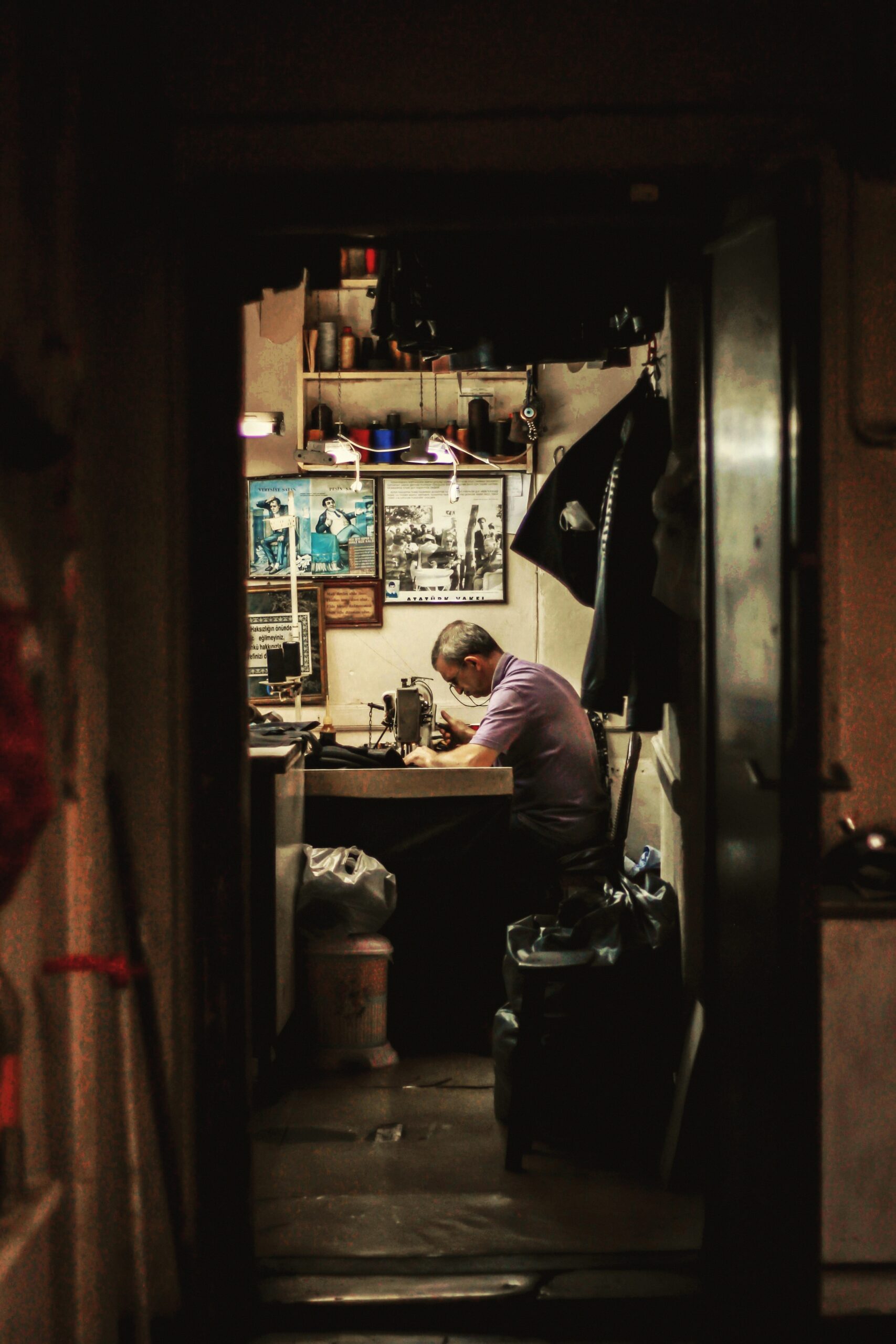
There is a moment, when you are standing in a very good tailor’s workroom, when you understand something about the British relationship with making that no amount of reading about it quite prepares you for.
It is not the cloth. It is not the finished garment hanging on the rail. It is the atmosphere of the room itself — the particular seriousness with which the work is treated, the absence of hurry, the sense that the person across the table from you has done this long enough that they no longer need to perform competence. They simply have it. It sits on them the way a well-worn jacket sits — without effort, without announcement.
The British tradition of making — not the heritage marketing version, not the Savile Row tourism version, but the actual thing underneath both of those — is essentially a tradition of taking the work seriously regardless of whether anyone is watching. The buttonhole on the back of the sleeve that will spend its entire life fastened. The canvas padded by hand inside a jacket that will be lined before anyone sees it. The standard held in private, in the workroom, at the level of the thing itself rather than at the level of what the customer will notice.
This is not perfectionism in the anxious sense. It is something quieter. A conviction that the work deserves to be done properly, and that properly is a fixed standard rather than a relative one.
Japan approaches the same idea from a completely different direction and arrives somewhere remarkably similar — and then goes further.
Where the British tradition is about the making, the Japanese tradition extends that attention all the way to the end. To the finishing. To the moment of delivery. To the relationship that continues after the transaction is complete. There is a concept in Japanese service culture — not easily translated, not easily explained to someone who hasn’t experienced it — of attending to the recipient of the work with the same care that went into the work itself. The wrapping is as considered as the object inside it. The conversation at the point of handover is as careful as the stitching.
This is not customer service in the Western sense — not the performance of attentiveness, not the scripted warmth of someone following a training protocol. It is the understanding that the object and the relationship around the object are not separate things. That how something arrives matters as much as what arrives. That the last impression carries the same weight as the first.
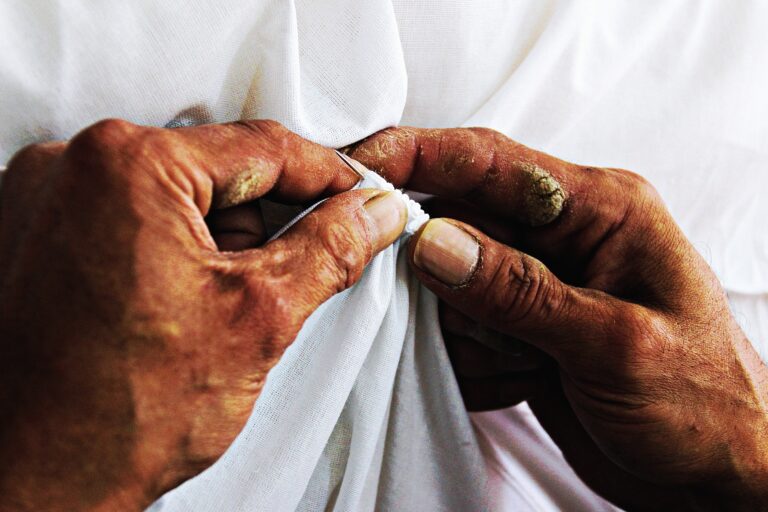
The Japanese also have an extraordinary relationship with detail at the level most people never reach — not because they are more capable but because they have a cultural permission to care about small things that other traditions quietly discourage. The finishing of an inside seam. The weight of a button. The behavior of a hem after fifty washes. These are not afterthoughts. They are the point.
France is harder to pin down, which is appropriate.
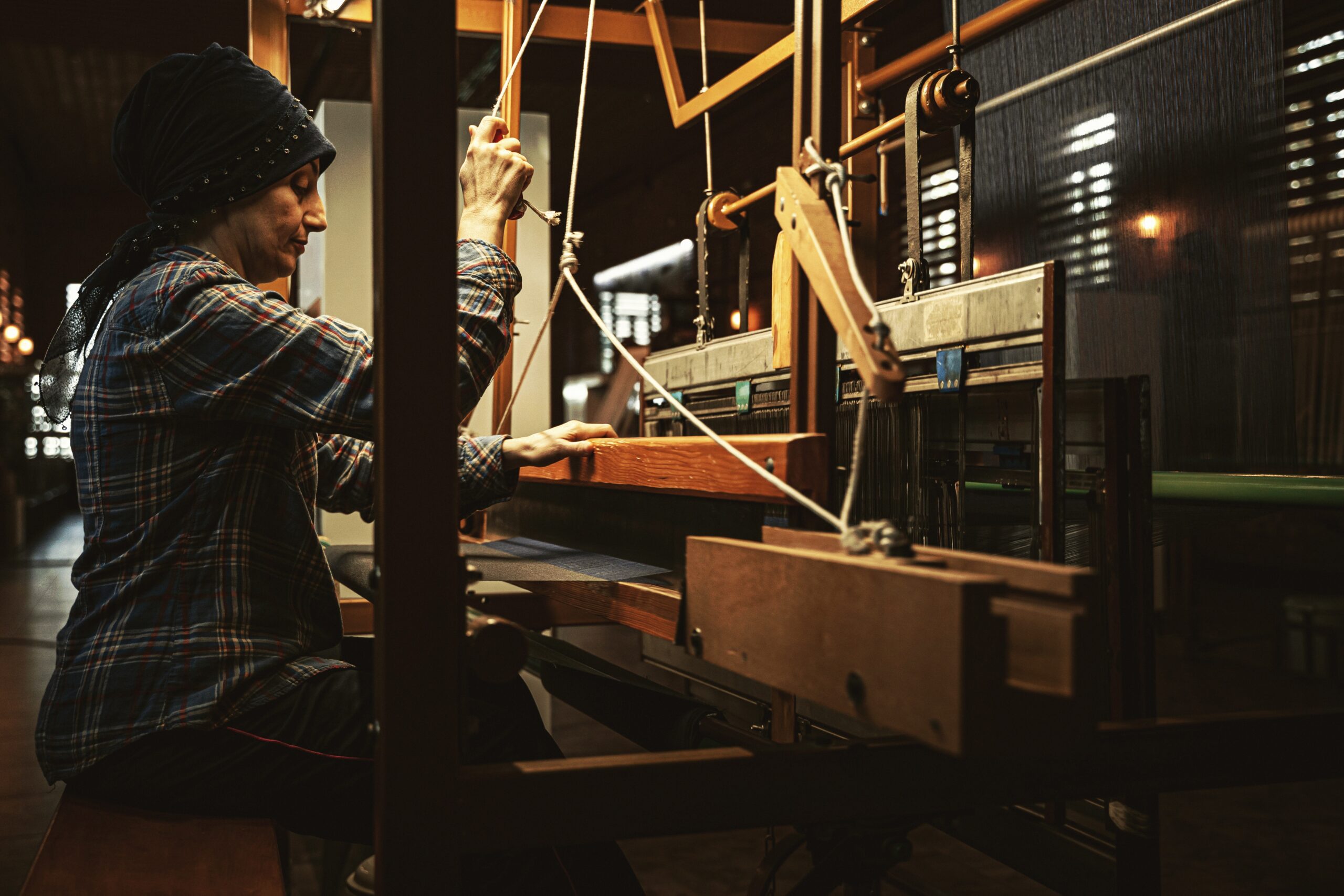
The French contribution to how things are made and worn is not primarily technical — France has produced extraordinary technical traditions in tailoring and textile, but that is not the thing. The thing is something more like permission. A cultural permission to have a point of view and hold it without apology. To decide what you think is right and proceed without seeking consensus. To be, in the most precise sense of the word, independent.
This independence shows up in French style not as eccentricity — though eccentricity is permitted — but as specificity. The French woman who has been wearing the same three things for fifteen years because they are exactly right and she sees no reason to change them. The French house that has been making one thing a particular way for a hundred years and has no interest in your opinion about whether they should modernize. The French chef who serves what is good today and if you wanted something else you should have gone somewhere else.
There is a refusal, deeply embedded in the French sensibility, to be moved by what other people think you should be doing. This is sometimes mistaken for arrogance. It is more accurately described as confidence in one’s own judgment, developed through the patient accumulation of taste over time.
Italy gives everything ease.
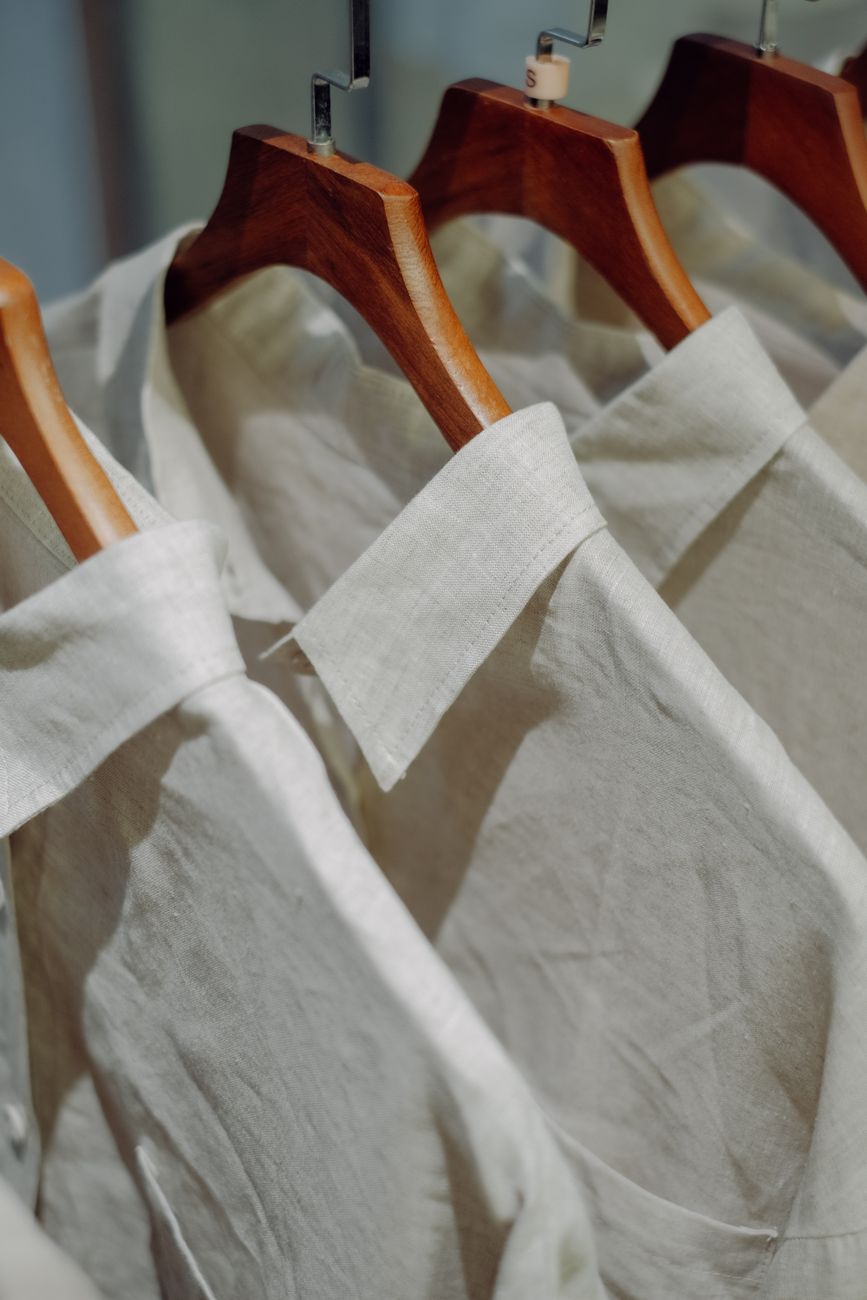
This is the contribution that is hardest to learn and most immediately felt when it is present. A jacket that moves when you move. A collar that sits without persuasion. A trouser that falls the way a trouser should fall without being told to. The Italian understanding of construction is fundamentally about the relationship between the garment and the body — not the body as an abstract form to be dressed, but the specific, living, moving body of a specific person doing the things people actually do.
Italian tailoring at its best is not stiff. It does not impose. It accompanies. The structure is there — the canvas, the construction, the precision of the cut — but it wears lightly, as if the garment forgot it was a garment and simply became part of how you move through the world.
This ease is not casualness. It is the result of enormous technical care applied in service of a specific goal — that the person wearing the thing should feel, above all else, like themselves. Not dressed up. Not costumed. Not performing an identity. Simply present, in something that fits the way things fit when someone thought carefully about fitting.
These are four rooms. Four distinct ways of understanding what it means to make something well and put it on a body and send it out into the world.
They are not, on the surface, obviously compatible. The British seriousness and the French independence do not always agree. The Japanese attention to the recipient and the Italian prioritization of ease come from completely different starting points. There are tensions between these traditions, historical and temperamental, that anyone who has spent time in all four of them will recognize.
And yet.
There is something interesting that happens when you stop thinking of them as alternatives — when you stop asking which one is right and start asking what each one knows that the others don’t. The British tradition knows what it means to hold a standard in private. The Japanese tradition knows that the work doesn’t end when the making ends. The French tradition knows the value of a point of view held without apology. The Italian tradition knows that ease is not the absence of construction but its highest expression.
These are not competing answers to the same question. They are answers to different questions. And a garment that asks all four questions — and takes all four answers seriously — is a different thing from one that asks only one.
What that garment looks like, exactly, is something worth thinking about.
Marlowe.