The Certificate on The Wall
On a shop in Kowloon, a lineage from Shanghai, and the particular kind of trust that takes seventy years to build
There is a certificate on the wall at WW Chan. It has been there for as long as anyone can remember. It was issued in 1943 by the Shanghai Cutting and Tailoring College, and it belongs to a young man named Chan Wing Wah, who earned it at the age of twenty-one after years of study that began when he was fourteen.
Chan Wing Wah is gone now. The certificate is not.
It stays on the wall not as decoration but as a kind of quiet argument. About where this came from. About what it took. About the fact that the people working in this shop today are the inheritors of something that began in Shanghai, survived a revolution, crossed the water to Kowloon, and has been cutting suits by hand ever since.
Hong Kong became synonymous with the sartorial arts in the mid-twentieth century, as China’s Communist Revolution led to the relocation of skilled Shanghainese tailors to the city. They brought their patterns and their scissors and their knowledge of a technique that had spent decades absorbing everything around it — British structure, Russian shoulder, American ease, Chinese precision — the best practices of four tailoring traditions, synthesized into a single school. They were known as the Red Gang. They were, collectively, the finest group of suit-makers that had ever existed in one place at one time, and most of the world had no idea they were there.
In 1966, the South China Morning Post ran a headline declaring that London’s Savile Row — until then the undisputed international centre of bespoke tailoring — had been replaced by Hong Kong. In the 1960s there were fifteen thousand tailors working in the city. Fifteen thousand. The British officers needed suits. The American servicemen passing through on their way to and from Vietnam needed suits. The Taipans of the great trading houses — Swire, Jardine, Hutchison — needed suits. And there was, on Nathan Road in Kowloon and in the back arcades of Tsim Sha Tsui, a community of people who could make them better than anyone else in the world.
Chan Wing Wah’s early clients included the Taipans of the Swire Group, who were so impressed by his craftsmanship that they awarded him contracts to make uniforms for the conglomerate’s new venture — Cathay Pacific Airways. The certificate on the wall was already twenty years old by then. The suits were already legendary.
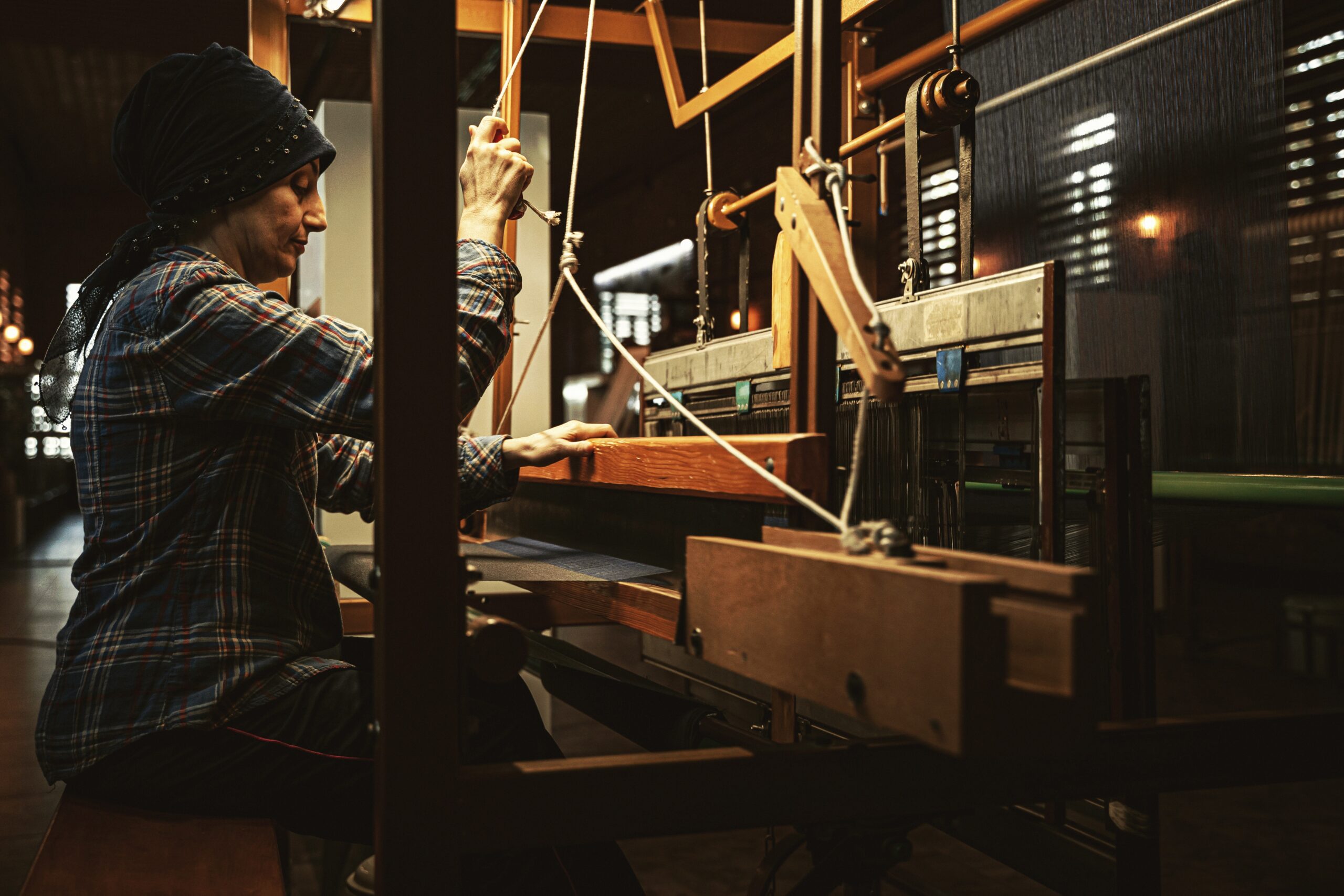
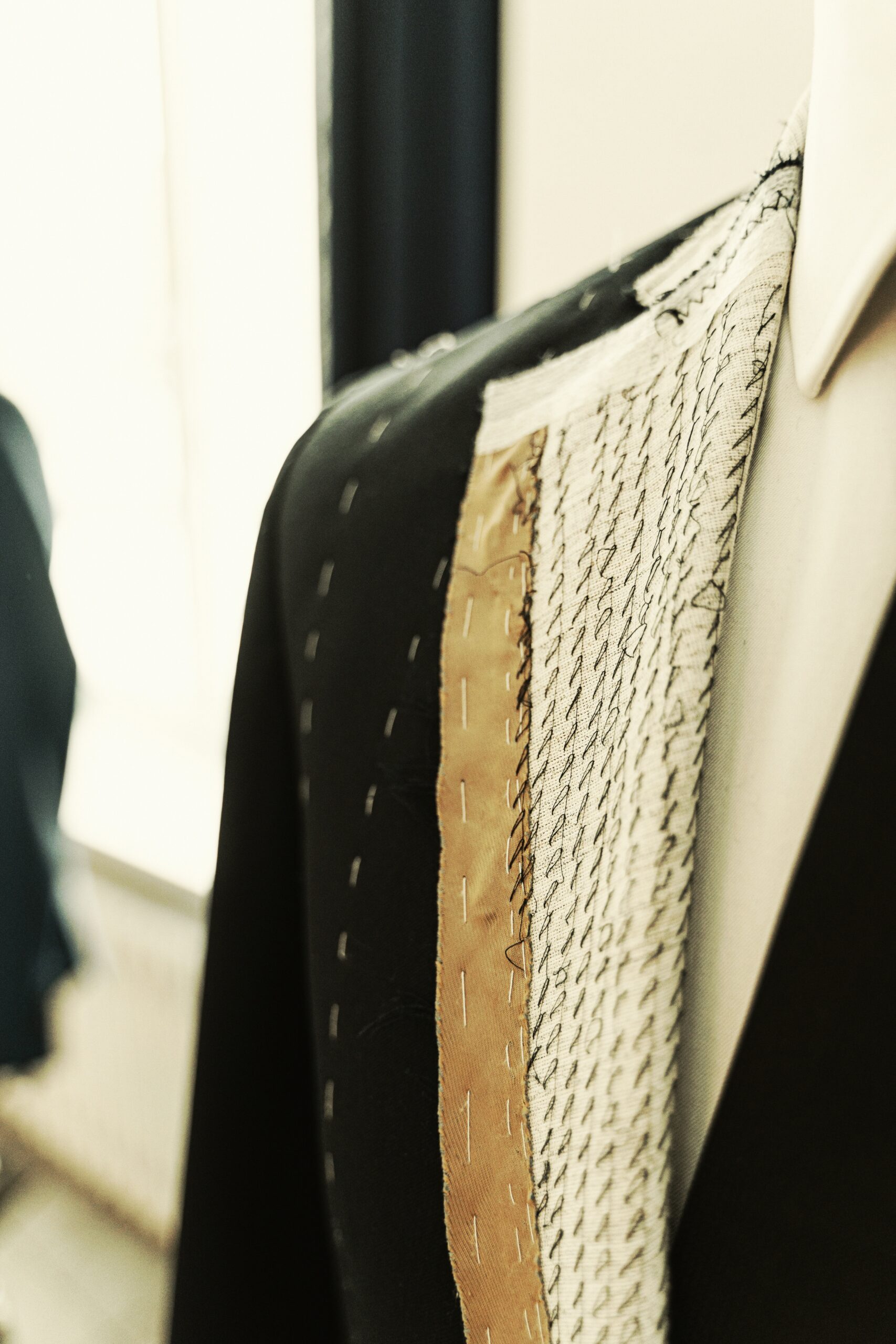
That was a long time ago. The city has changed several times over since. The tailors of Tsim Sha Tsui have thinned considerably — by the mid-2020s, only a small handful continue to operate at the level that once made Hong Kong the undisputed world capital of bespoke suiting. The ones who remain do so not by adapting to the market but by refusing to. WW Chan resists any mechanised production techniques, following the Savile Row discipline where all cutting and tailoring are still done on-site. Everything by hand. Every pattern cut for a specific body and kept on file. Every canvas floated and padded the same way it was in 1948.
Patrick Chu has been with WW Chan since 1986. He is a partner now, the general manager, the face that greets you when you walk through the door. He has been described as an embodiment of the brand’s evolution over half a century — which is another way of saying that he has been here long enough to be part of the furniture, and the furniture is very good indeed. WW Chan offers a full floating canvas construction, hand-stitched lapels, and as many basted fittings as necessary. The Milanese buttonhole, naturally. The bespoke paper pattern, kept on file, so that when you come back in ten years — and people do come back in ten years — the record of your body is still there, waiting.
There is a particular quality to a place that has been doing one thing well for long enough. It stops trying to be anything other than what it is. The signage doesn’t shout. The website doesn’t trend. The shop doesn’t feel like a brand experience — it feels like a shop, which is rarer than it sounds. You sit down. Someone brings fabric. The conversation starts where the last one left off, even if the last one was years ago.
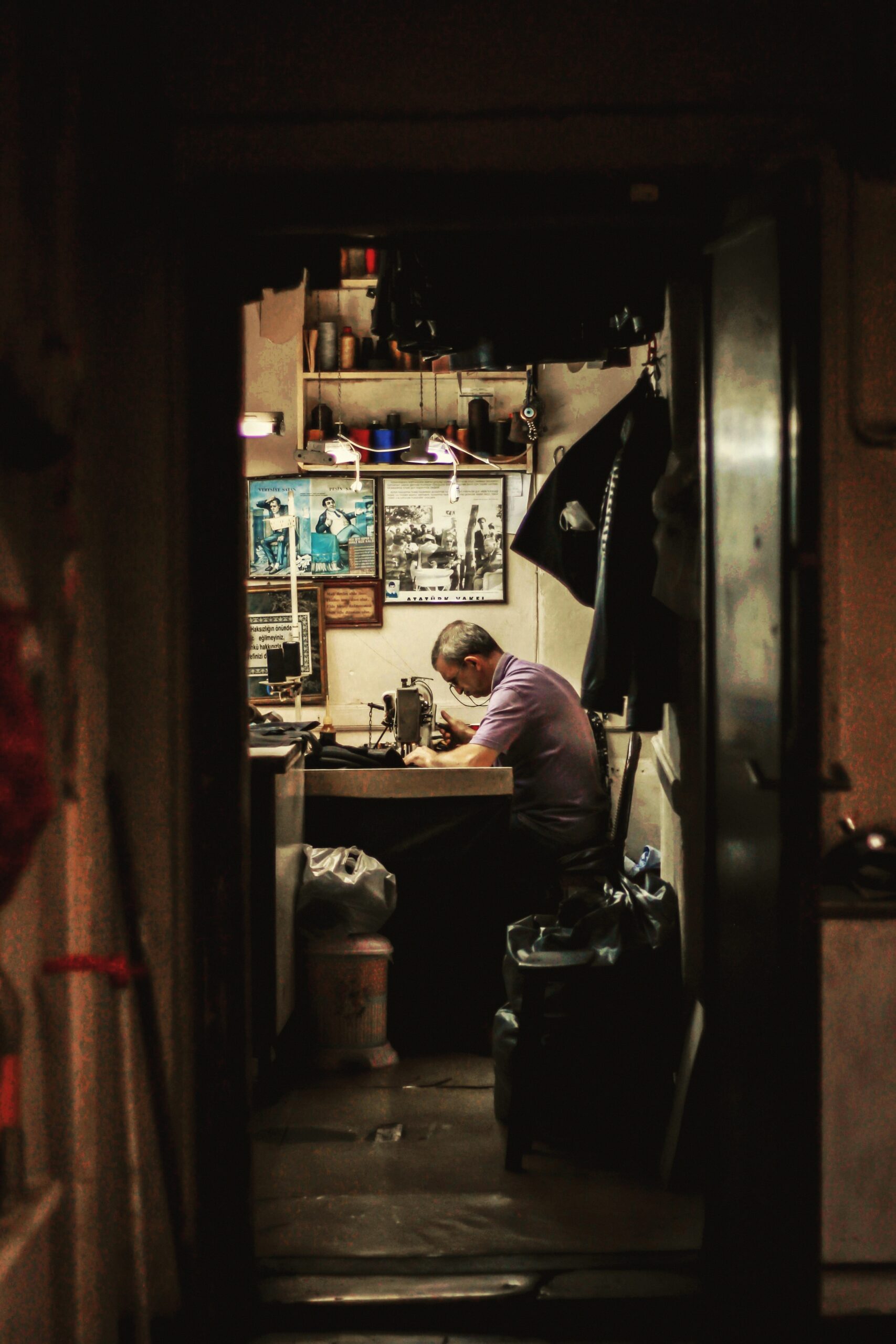
WW Chan has twelve tailors in total, of whom two are stationed in the back of the shop for urgent matters, and ten in the bigger workshop on the Kowloon side. They can still make a bespoke suit quickly if someone needs it. Six weeks, which in this city’s tailoring history counts as fast. The 24-hour suit — the thing Hong Kong was once famous for, the thing that brought the servicemen and the journalists and the diplomats up the back stairs of the arcade buildings — was always a machine operation. It was never what these people did.
What these people did was take fourteen years of a young man’s life in Shanghai and turn it into a certificate on a wall in Kowloon, and then turn that certificate into a shop, and then turn that shop into a lineage, and then turn that lineage into Patrick Chu greeting you at the door in 2026 as if you are exactly the person he was expecting, which in a way you are.
The city outside has changed beyond recognition. The arcades have mostly given way to something louder. The fifteen thousand are now a fraction of what they were. The fashion industry — if you want to call it that — has moved on to other things, other speeds, other urgencies. Somewhere a campaign is being shot. Somewhere an influencer is being paid to wear something that will be irrelevant in six weeks.
On the eighth floor of the Entertainment Building, in the middle of Central, a man who has been here since 1986 is looking at a piece of cloth and thinking about a shoulder.
The certificate is still on the wall.
Marlowe.