The First Thirty Seconds

There is a kind of person who has already figured something out that most people spend their whole lives circling. You know them when you meet them. The hard part is understanding what, exactly, it is they know.

She is up before the house is. This is not a discipline she imposed on herself — it is simply what her body does, has always done, and she stopped fighting it years ago.

The bedroom is quiet in the specific way that early morning is quiet. Not silent. Just unhurried. The light coming through the curtains is the grey-blue kind that hasn’t decided what it wants to be yet.

She makes coffee first. Always coffee first. Then she stands in front of the open wardrobe with the mug held in both hands and she looks.

Not for long. Thirty seconds, maybe. Less on a good day.

She is not thinking about where she is going, exactly, or who will be in the room, or what the meeting requires of her. She has been to enough meetings to know that the room adjusts to the person more than the person adjusts to the room, when the person is sufficiently settled inside themselves. She learned this the hard way, in her thirties, when she spent a decade dressing for rooms and arrived at forty slightly depleted and not entirely sure where she had gone.

So now she dresses for the thirty seconds before the day starts. For the version of herself that is still quiet and unobserved and entirely her own.

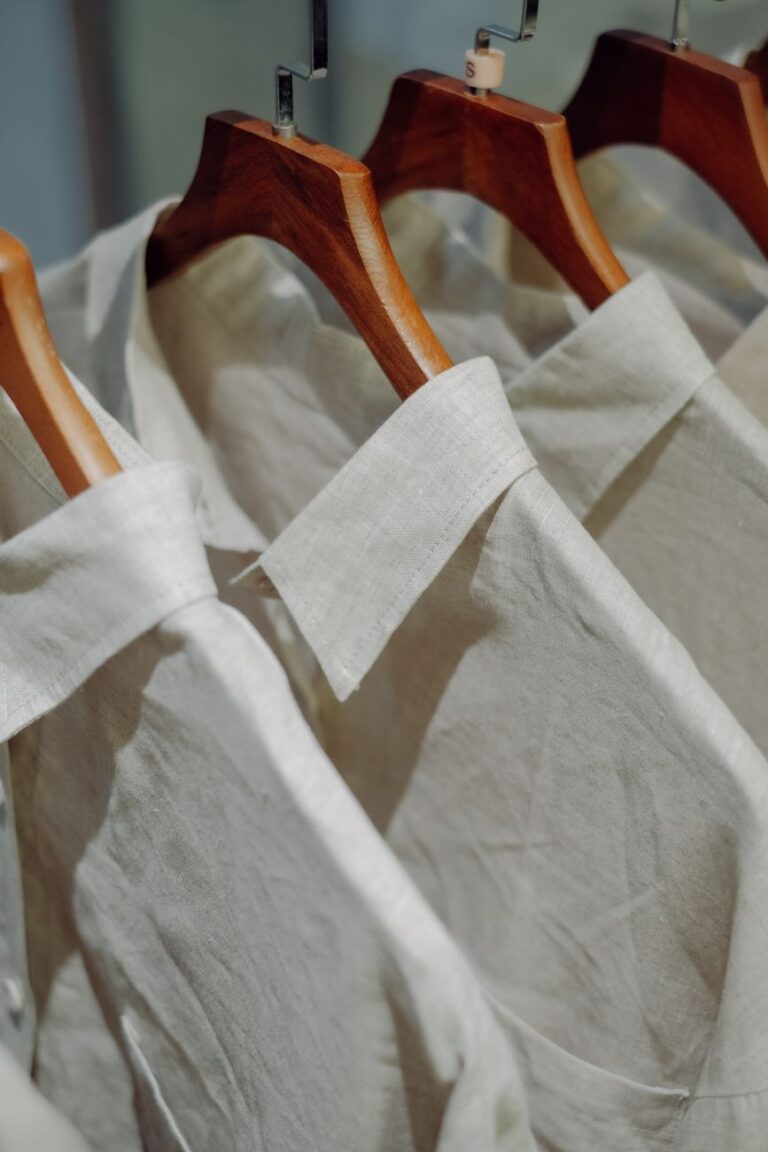
She reaches for the shirt. White, always white in the morning — there is something about it that clarifies rather than decides. It is cut simply, falls the way good fabric falls when someone has thought carefully about how it is supposed to move. She has had it for three years. It does not look like it. It looks like it will last another ten.

The chino next. The color of sand that has been wet and dried and wet again. Worn in at the knee in a way that took two years to earn and cannot be replicated by anything a factory does to denim on purpose.

She is dressed in under two minutes. Nothing was decided. Everything was confirmed.

She picks up her coffee and stands at the kitchen window and watches the light outside finish becoming what it is going to be today.

The day has not started yet. But she has.

Marlowe.

Similar Posts

  • The House Always Wins

    There is a shirt in a bag somewhere in your home. Maybe it is still in its original packaging, tissue paper refolded with the specific care of someone who has not yet decided whether to keep it. Maybe it is hanging in that particular section of your wardrobe — not quite the worn regularly section, not quite the never again section, but the somewhere in between section where things go when they almost worked. The shirt is not bad. The shirt is simply not your shirt. It was someone’s shirt — the hypothetical median person whose measurements informed the pattern, whose proportions the factory was optimizing for when it cut the fabric. You and that person are adjacent. Close enough that the size seemed right. Not close enough, as it turned out, for the shoulder seam.

  • Vegetable Ivory

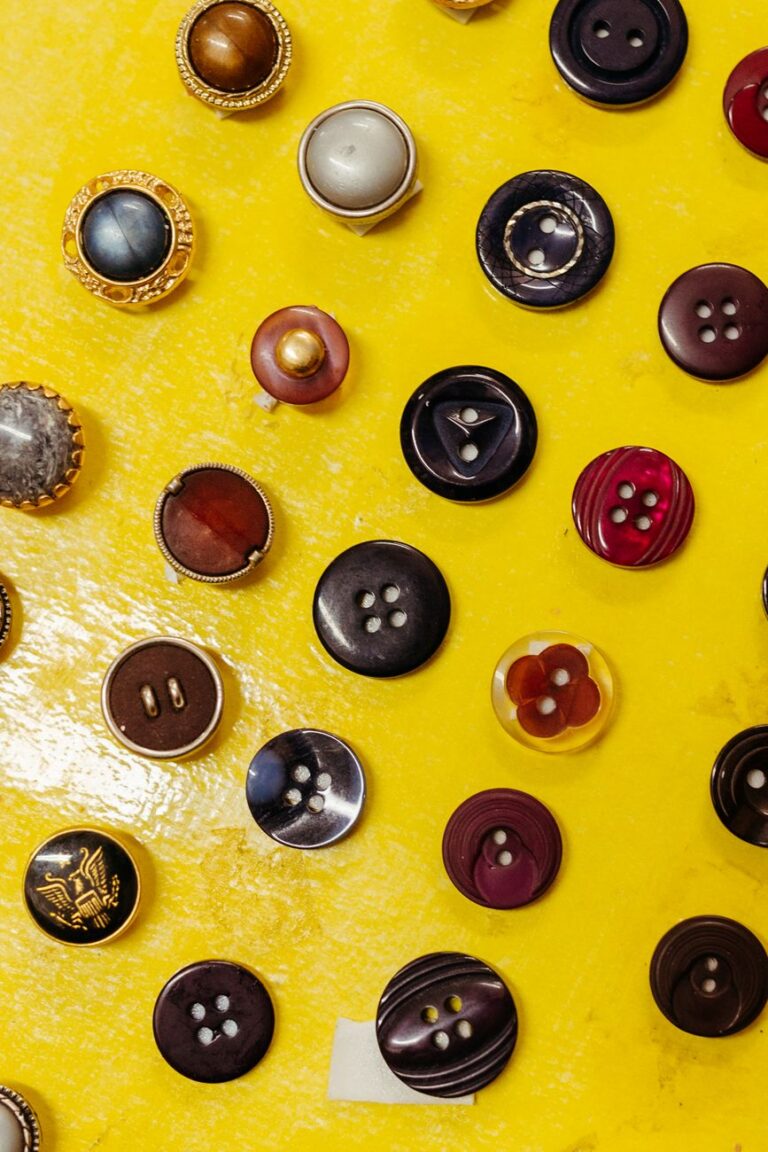
    In the forests of coastal Ecuador, a palm lets its fruit fall when it’s ready. Inside, each seed holds a milky liquid you could drink. Dried slowly under the sun, it hardens into something close to ivory. Once, a fifth of America’s buttons came from it. Then almost everyone forgot.

  • The Last Buttonhole

    Inside every Chittleborough & Morgan jacket, before the lining closes forever, the floating canvas is padded by hand in purple, white, and green — Suffragette colors. The client will see it once or twice during fittings. Then never again. This is a piece about the invisible standard, the hidden work, and what it means to do something properly when no one will ever see it.

  • Four Rooms

    There are four distinct traditions of making and wearing things well. The British hold a standard in the workroom that no one will ever see. The Japanese extend that care all the way to the moment of delivery and beyond. The French proceed with a point of view and no particular interest in your approval. The Italians make garments that move when you move — ease not as casualness but as the highest expression of construction. These are not competing answers to the same question. They are answers to different questions. And a garment that takes all four seriously is a different thing from one that takes only one. This essay is a quiet meditation on what each tradition knows — and what becomes possible when you stop treating them as alternatives.

  • Chosen Twice

    A hole the size of a grain of rice, just below the lapel. In most places, that’s where a jacket’s story ends. In Japan, a mender takes threads from the garment’s own hidden hem and weaves them back until the hole is gone. A bespoke suit begins a garment’s story. Kaketsugi makes sure it continues.

  • The Certificate on The Wall

    In 1943, a young man named Chan Wing Wah earned a certificate from the Shanghai Cutting and Tailoring College. It still hangs on the wall of WW Chan in Hong Kong. This is a piece about a lineage that survived a revolution, crossed the water to Kowloon, and has been cutting suits by hand ever since — in a city that has changed beyond recognition around it.