Chosen Twice
The hole is about the size of a grain of rice. It sits just below the left lapel of a wool jacket, where something caught it, or something ate it. In most places, that is where the jacket’s story ends.
In Japan, it may go to a workshop instead.
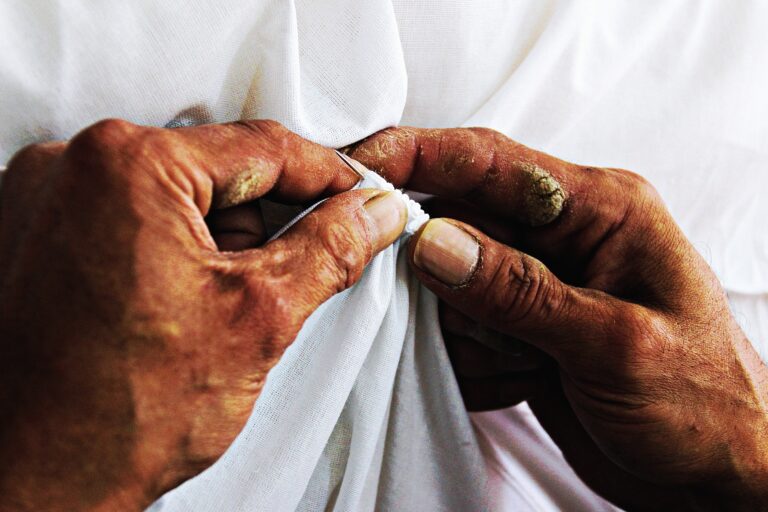
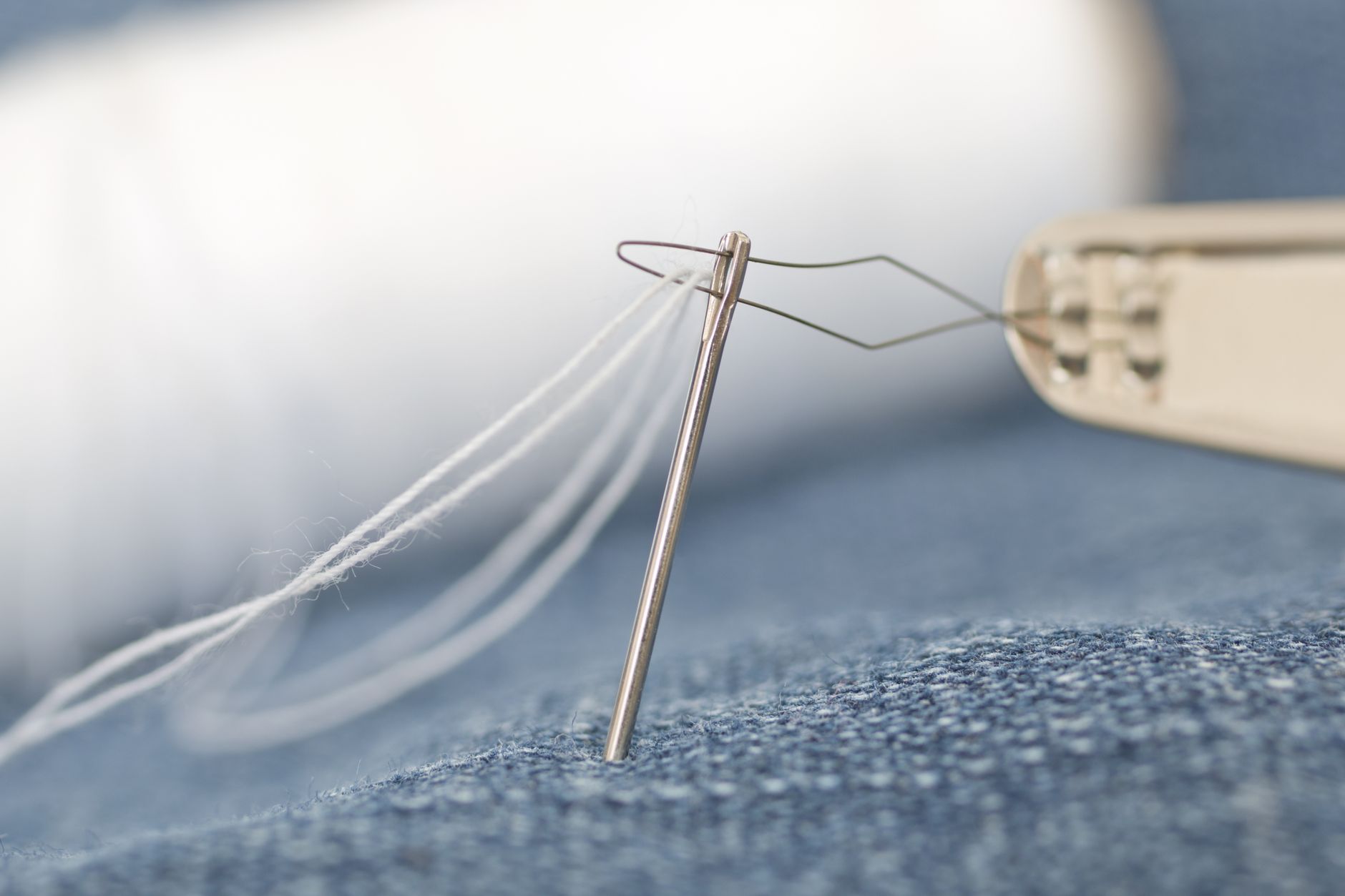
The mender begins by turning the jacket inside out and finding somewhere no one will ever look: the hem, a seam allowance, a fold of cloth that has spent its whole life hidden. From there, a small piece of the jacket is taken. Then it is unpicked thread by thread until what’s left is a little pile of the garment’s own yarn.
Those threads are woven back into the hole. They are worked across in both directions and from both sides, following the original pattern of the weave. Nothing is laid on top. The fabric is rebuilt out of itself. When it is done well, the hole isn’t covered. It is simply no longer there.
This is kaketsugi. A small repair can take hours. A master takes decades to become one. One craftsman in Nagoya practised it for more than fifty-five years.
What makes it possible is not only a technique but a temperament. Japanese craft has always extended its attention past the moment of making. How a thing is kept matters as much as how it was made. Packaging, maintenance and repair are treated as parts of the object, not services attached to it afterwards. There is a word, mottainai, for the regret of letting something go to waste while it still has use left in it. You feel it more than you translate it.
A culture that thinks this way produces people willing to spend an afternoon on a hole you could hide with a thumb. It also produces customers who think the afternoon is worth paying for.
Elsewhere the arithmetic runs the other way. Many garments are now designed to be finished with before they are finished. They are priced so that a hole is a reason to replace the thing, not a problem to solve. The trouble isn’t only the clothes. No one expects to know them long enough to mend them, so the skill that mending requires has nowhere to live, and it quietly disappears.
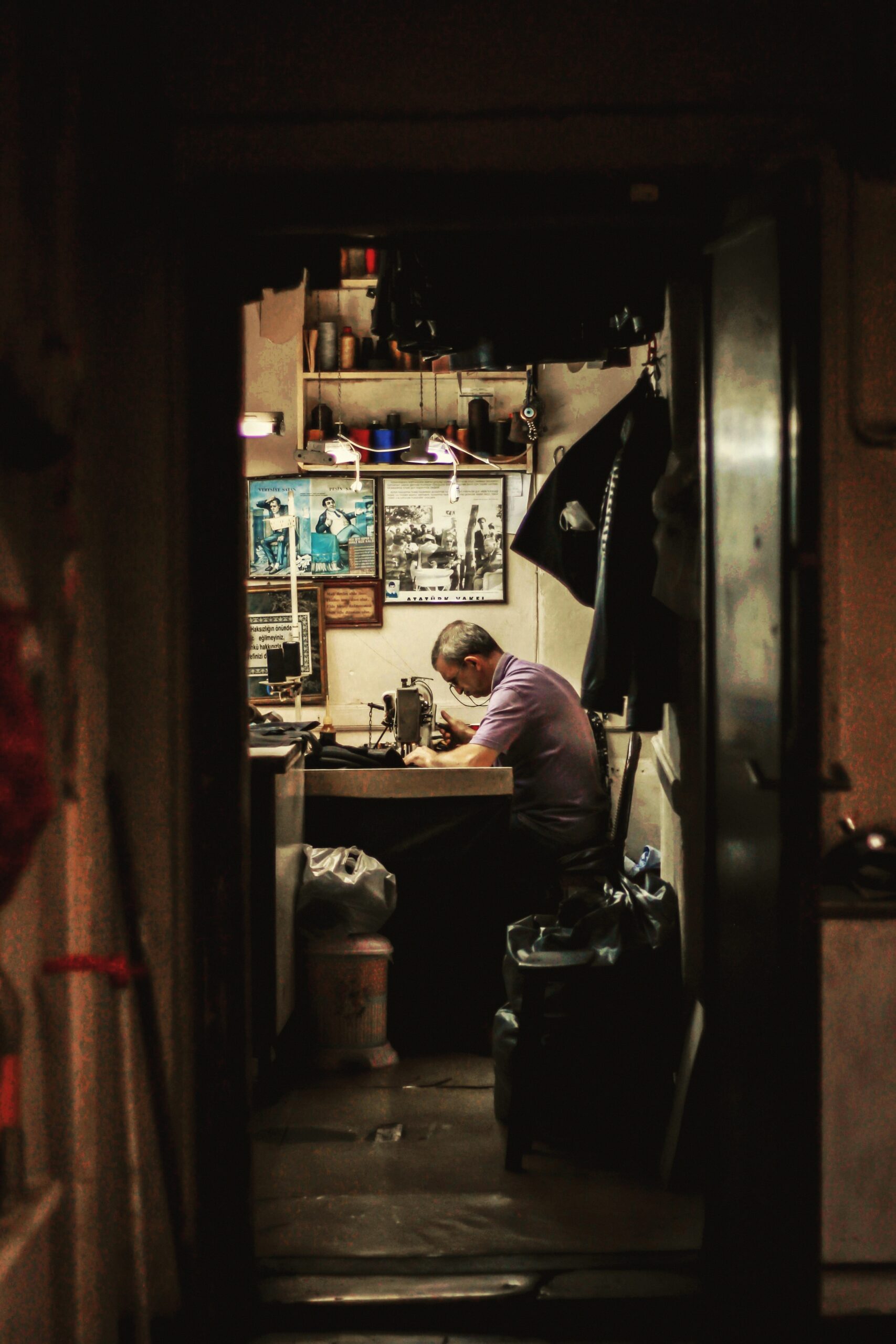
In Gifu, there is a workshop that began as a tailor’s, making clothes to order. When cheap ready-made clothing arrived and the orders stopped, the shop closed. The tailor didn’t put down his needle. He turned it to repair, and the hands that once began garments learned to keep them going. Today he works alongside his daughter.
That story is hard to forget, because it shows that making and mending are not separate crafts. They are the same craft, standing at opposite ends of a garment’s life.
A bespoke suit begins at the first end. Measurements are taken. A pattern is drawn for one body and no other. The cloth is cut and basted and fitted again and again. On the day it’s delivered it has no history at all, only the promise of one.
Kaketsugi arrives at the other end, after the history has happened: the elbow polished by years at a desk, the cuff worn by a thousand doorframes, the small hole left by an evening nobody remembers. The suit writes the first page. The mender makes sure there is a next one.
Both are held to the same standard, and neither is meant to be seen. A tailor hides some of his finest work in the canvas, where only he will ever know it is there. A mender hides hers in the hole, where no one will ever know there was one. One builds a story into a garment. The other protects the story that the garment has gathered. It is hard to say which is the greater act of care.
Japan mends visibly too, with bold stitching and golden seams, and that tradition has its own beauty. But kaketsugi is the other instinct: the repair that asks for nothing. No credit, no signature, no visible proof of effort. The only evidence is that the jacket is still being worn.
A garment mended this way is not as good as new. It is better than new, because it has been chosen twice. Once when it was made, and once again when someone decided it was worth keeping.
The hem gives back what the hole took. Nobody sees it. That was always the point.
Marlowe