• The Shoulder That Breathes

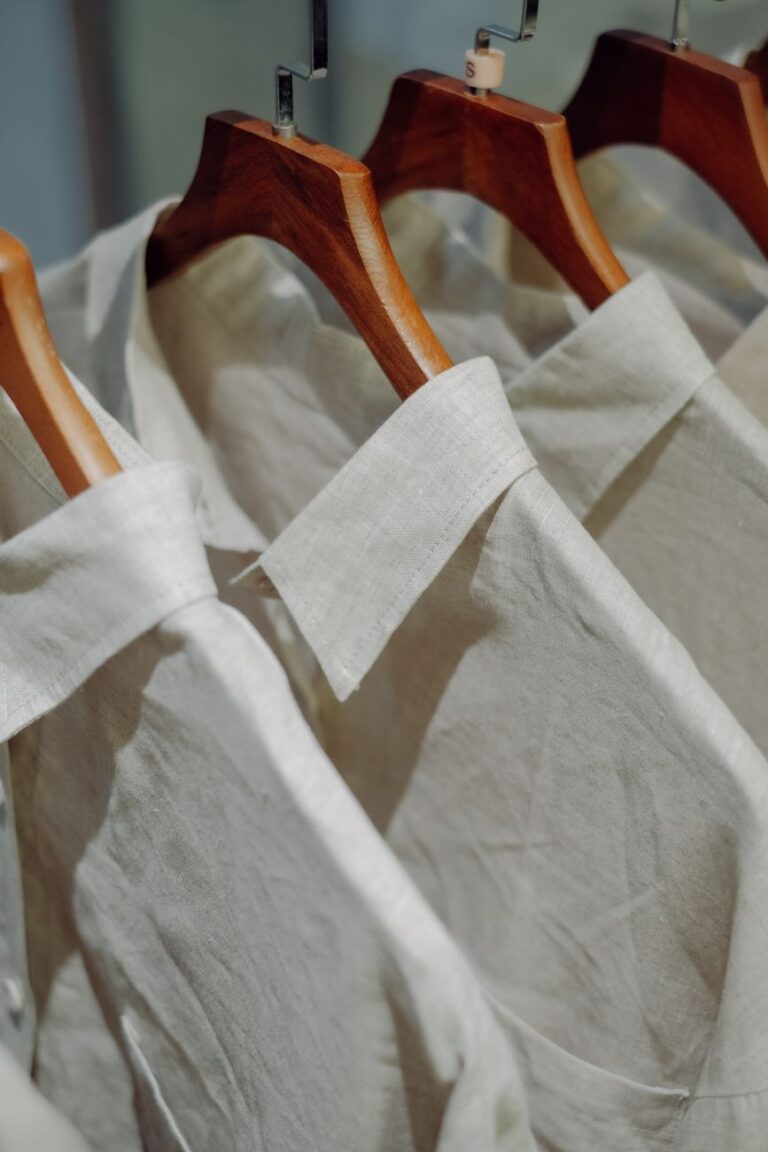
    There is a moment — if you have ever tried on a jacket made in Naples — when you understand something about the Italian relationship with clothing that photographs never quite capture. The jacket moves. Not in the way all jackets move when the person inside them moves. It moves with a kind of consent. As if the garment had considered the body wearing it and decided, at the shoulder specifically, to simply follow rather than lead. This is spalla camicia — shirt shoulder — one of the most misunderstood techniques in tailoring. The small ripples at the sleeve head that most people mistake for imperfection are the opposite. They are the evidence of a hand. The hand is the point.
  • The Button That Ruins Everything

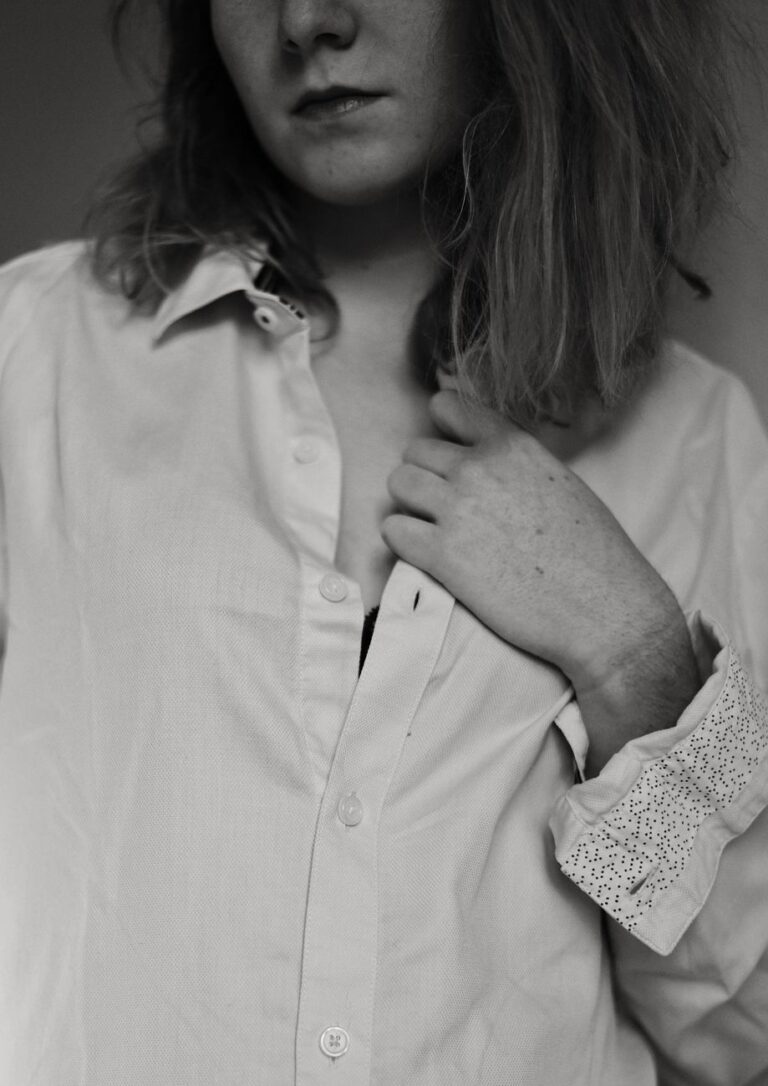
    You know the one. Not the top button. Not the third, which has largely kept itself out of trouble. The second button — the one that sits with aggressive optimism about where your collarbone is and what you might want to do with it. Button it and something tightens. Unbutton it and the gap reads as interrupted. There is no third option. And yet every morning, in front of every mirror, women who wear dress shirts make this small, unsatisfying choice and say nothing about it because there has never been anywhere useful to direct the complaint. This is that place.

  • Seen and Worn

    Clothing has always had two functions. The physical — how it moves, breathes, fits, feels, holds up over time on a real body doing real things. And the visual — how it reads, signals, communicates, positions the wearer in relation to the world watching. At their best these two functions are inseparable. The spalla camicia that moves beautifully at the shoulder is also, to the eye that knows what it is looking at, extraordinary to look at. The Sea Island cotton that feels unlike anything else against the skin has a luster in natural light that no synthetic has replicated. Physical function, done properly, tends to produce visual beauty as a natural consequence. The question worth asking is what happens when the two briefs are written separately — and which one gets written first.

  • Four Rooms

    There are four distinct traditions of making and wearing things well. The British hold a standard in the workroom that no one will ever see. The Japanese extend that care all the way to the moment of delivery and beyond. The French proceed with a point of view and no particular interest in your approval. The Italians make garments that move when you move — ease not as casualness but as the highest expression of construction. These are not competing answers to the same question. They are answers to different questions. And a garment that takes all four seriously is a different thing from one that takes only one. This essay is a quiet meditation on what each tradition knows — and what becomes possible when you stop treating them as alternatives.

  • The Rarest Shirt You’ve Never Heard Of

    Let’s start with a number. One hundred and thirty bales. That is the entire annual global production of certified West Indian Sea Island Cotton — hand-picked on the islands of Barbados, Antigua, and Jamaica, by people who have been doing this long enough to know exactly which bolls are ready and which ones aren’t. Egypt produces up to seventy-four thousand bales of extra-long staple cotton per year. Sea Island cotton accounts for four ten-thousandths of one percent of the world’s cotton supply. You have almost certainly worn cotton. You have almost certainly never worn this. This is an introduction to what makes it different — in plain terms, without the marketing — and why a handful of people have been quietly obsessed with it for three hundred years.

  • What Bandung Knows

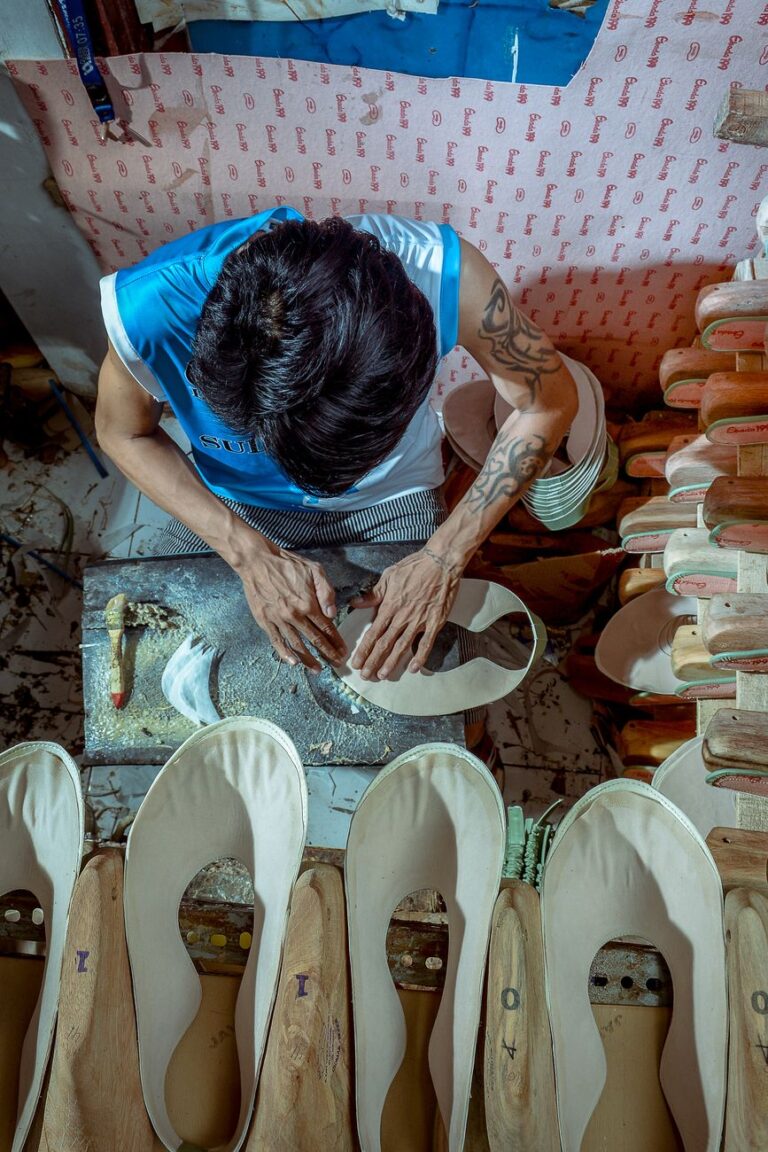
    In a workshop in Bandung, after midnight, a young man is making a shoe by hand. It will rival anything made in Europe at twice the price. Almost no one outside a small circle of enthusiasts knows his name. This is a piece about a city, a craft, and the kind of knowledge that accumulates quietly over generations — until the world finally starts to pay attention.